
Choosing the right GSM is one of the most important factors when purchasing or manufacturing non-woven bags. The GSM of a bag directly affects its strength, thickness, durability, appearance, and overall cost.
Whether you need non-woven bags for grocery stores, clothing shops, sweet shops, pharmacies, promotional events, or supermarkets, understanding GSM will help you choose the right bag for your requirements.
In this guide, we explain what GSM means, why it matters, and how to choose the right GSM for non-woven bags.
What Does GSM Mean in Non-Woven Bags?
GSM stands for Grams per Square Meter.
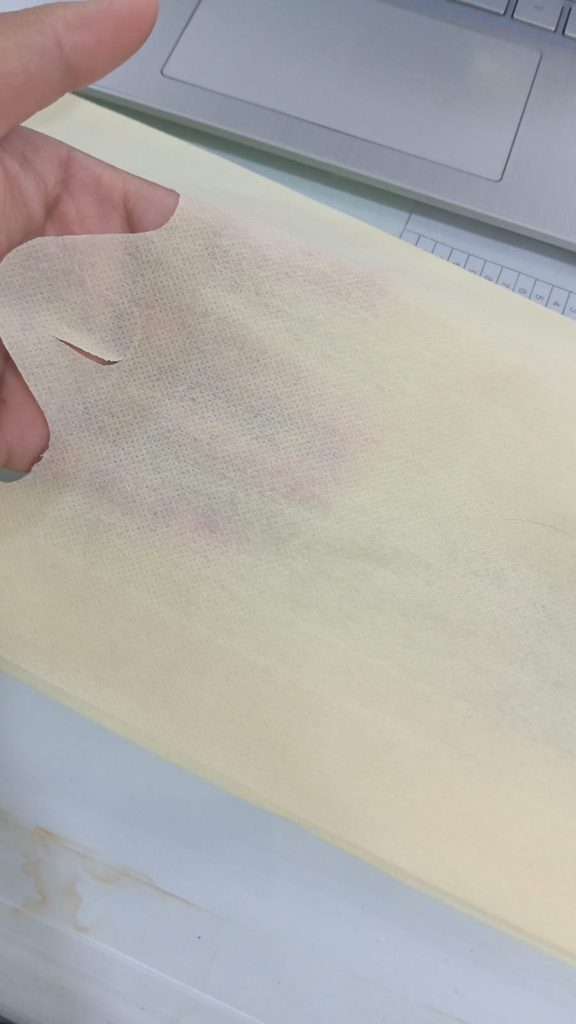
It refers to the weight of the non-woven fabric used to manufacture the bag per square meter.
In simple terms:
- Lower GSM generally means lighter and thinner fabric.
- Higher GSM generally means thicker and stronger fabric.
For example, a 60 GSM non-woven fabric weighs 60 grams per square meter, while an 80 GSM fabric weighs 80 grams per square meter.
The right GSM depends on the intended use of the bag, its size, the weight it needs to carry, and your budget.
Why Is GSM Important for Non-Woven Bags?
Choosing the correct GSM is important because it affects several aspects of the final product.
1. Strength and Durability
Higher GSM fabric generally provides greater material strength and durability. Bags designed to carry heavier products usually require an appropriate higher GSM.
2. Bag Thickness
GSM affects the thickness and feel of the non-woven fabric. A higher GSM bag usually feels more substantial than a lower GSM bag.
3. Cost
Higher GSM means more fabric material is used, which generally increases the weight and manufacturing cost of the bag.
Choosing the correct GSM helps businesses balance quality and cost.
4. Printing Quality
The GSM and quality of the fabric can influence the appearance of printing. Businesses using custom logos or promotional designs should select a suitable fabric quality and GSM according to their printing requirements.
Common GSM Options for Non-Woven Bags
40–50 GSM Non-Woven Bags
These bags are generally suitable for lightweight applications and promotional purposes.
Suitable for:
- Promotional events
- Lightweight products
- Temporary packaging
- Small retail items
They are generally more economical but may not be suitable for carrying heavier products.
60 GSM Non-Woven Bags
60 GSM is a commonly used option for many standard non-woven bags.
Suitable for:
- Clothing stores
- Gift shops
- Pharmacies
- General shopping
- Lightweight grocery products
It provides a balance between cost and material strength when the bag size and intended load are appropriate.
70–80 GSM Non-Woven Bags
These bags are generally preferred when greater durability and a more substantial feel are required.
Suitable for:
- Grocery stores
- Supermarkets
- Sweet shops
- Retail stores
- Heavier products
They can also provide a more premium appearance for custom-branded bags.
90 GSM and Above
Higher GSM non-woven bags are generally selected for applications requiring more substantial material.
Suitable for:
- Heavy-duty shopping bags
- Premium packaging
- Reusable carry bags
- Large-size bags
The appropriate construction and design are also important for heavy loads; GSM alone does not determine the final load capacity.
How to Choose the Right GSM for Your Non-Woven Bag
Before selecting the GSM, consider the following factors.
1. What Will the Bag Carry?
The first question is: What products will customers put inside the bag?
A bag carrying lightweight garments may not require the same material specifications as a bag carrying groceries or multiple heavy products.
Understanding the expected use helps determine an appropriate GSM.
2. Consider the Size of the Bag
Larger bags use more fabric and may carry a greater volume of products. The bag dimensions should be considered along with GSM.
For example, the same GSM may perform differently in a small bag and a large bag because the construction and intended load can differ.
3. Choose the Right Handle Type
The handle design also affects the overall performance of the bag.
Common options include:
- D-Cut Bags
- W-Cut Bags
- U-Cut Bags
A suitable combination of GSM, bag size, handle design, stitching or sealing, and construction is important for the final strength of the bag.
4. Consider Your Budget
Higher GSM generally increases material consumption and therefore the overall weight and cost of production.
If the bag is intended for lightweight products, selecting unnecessarily high GSM may increase costs without providing meaningful benefits.
The goal is to select the right balance between:
Quality + Strength + Purpose + Cost
5. Consider Reusability
If your customers are expected to reuse the bag multiple times, choosing suitable material quality and construction becomes especially important.
A reusable bag should be selected according to its expected use rather than based only on appearance.
Which GSM Is Best for Different Businesses?
| Business Type | Commonly Considered GSM Range |
|---|---|
| Promotional Events | 40–60 GSM |
| Clothing Stores | 50–70 GSM |
| Pharmacies | 50–70 GSM |
| Gift Shops | 60–80 GSM |
| Sweet Shops | 60–80 GSM |
| Grocery Stores | 70–90 GSM |
| Supermarkets | 70–100 GSM |
| Heavy-Duty Applications | 90 GSM and above |
Note: These ranges are general guidelines. The final GSM should depend on bag dimensions, fabric quality, handle design, construction, and the expected load.
GSM Is Not the Only Factor That Determines Quality
Many buyers believe that higher GSM automatically means a better bag. However, this is not always true.
The overall quality of a non-woven bag depends on several factors, including:
- Fabric quality
- GSM
- Bag size
- Handle design
- Manufacturing quality
- Sealing or stitching quality
- Printing requirements
- Intended use
Therefore, GSM should be selected as part of the complete product specification.
How Does GSM Affect the Price of Non-Woven Bags?
Non-woven bags are often priced based on factors such as:
- GSM
- Fabric quality
- Bag dimensions
- Weight per bag
- Printing requirements
- Number of printing colours
- Order quantity
- Handle type
- Manufacturing specifications
Higher GSM generally means more fabric is required for the same bag size, which can increase the total material weight and production cost.
For bulk orders, manufacturers can help businesses select specifications that provide the right balance between quality and budget.
Tips for Businesses Ordering Non-Woven Bags
Before placing a bulk order, always provide the manufacturer with complete specifications.
Include:
- Bag size
- Required GSM
- Bag type
- Handle type
- Fabric colour
- Printing requirements
- Expected quantity
- Intended use
Providing complete information helps ensure that the manufacturer can recommend a suitable product specification.